Tokyo in 3 days
A 3-day Tokyo travel guide balancing traditional temples, modern districts, and exceptional food culture.

Tokyo by numbers
The plan for these 3 days in Tokyo
| Day | Focus | Morning | Afternoon | Evening |
|---|---|---|---|---|
| 1 | Senso-ji and Asakusa | Senso-ji Temple and Nakamise shopping street | Asakusa exploration and traditional shops | Local dinner and neighborhood stroll |
| 2 | Shibuya and Harajuku | Shibuya Crossing and Hachiko statue | Harajuku and Meiji Shrine | Local food tour and neighborhood dinner |
| 3 | Tsukiji and Ginza | Tsukiji Outer Market and local food | Ginza district and shopping | Final neighborhood walk and local dinner |
Is this travel guide for you?
Great fit if you want
- A first visit with iconic temples
- Traditional architecture and modern districts
- Exceptional food and local markets
- Clear, practical planning
- Mix of historic and contemporary culture
Not ideal if you want
- Day trips far outside Tokyo
- Late-night nightlife focus
- A packed temple-only schedule
- Extensive shopping time
- Beach or coastal activities
Day-by-day breakdown
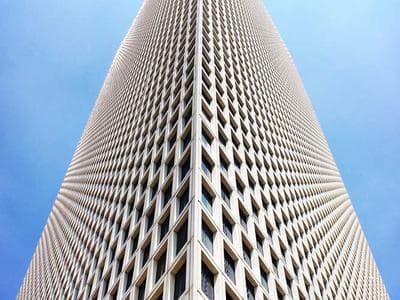
Senso-ji and Asakusa
Historic temple, traditional district, and local markets.
How to enjoy Tokyo in 3 days
Tokyo rewards a calm, respectful pace. Anchor each day with one main area—a temple district, or a modern neighborhood—then leave room for markets, food stops, and slow walks through historic and contemporary districts.
Group time by area to keep transit manageable. Pair Senso-ji Temple with Asakusa for classic sights, then explore Shibuya or Harajuku for a different rhythm.
Save time for food and quiet moments in temples. The city's mix of traditional architecture and modern culture creates a relaxed, dynamic atmosphere.
Logistics & practical tips for Tokyo
| Best time | March to May or September to November |
|---|---|
| Airport transfer | Narita Express or Skyliner to city center |
| Transit tips | Use Suica or Pasmo card for trains and subways; walk within neighborhoods |
| Ticketing | Temples are free; book popular restaurants in advance |
| Neighborhood stay | Shibuya, Shinjuku, or Asakusa for easy access |
Good to know before you go
| Crowd timing | Start by 8:30–9:00 for headline sights |
|---|---|
| Seasonal notes | Plan shade or indoor stops on hot afternoons |
| Museum booking advice | Reserve timed slots 1–2 weeks ahead in peak season |
| Common mistakes | Overbooking too many sights in one day |
| Dress code | Bring a light layer for church and basilica entry |
Checklist before you go to Tokyo
Tap items as you prepare. No sign-in needed.
Frequently asked questions
Is 3 days enough for Tokyo?
Do I need to book temple visits in advance?
Is Tokyo walkable?
Where should I stay?
What time should I start each day?
Do I need to book restaurants in advance?
Is Tokyo good for temple architecture?
Build this trip in Kruno
Start planningTurn this travel guide into a personalized plan with dates and preferences.
Need a different pace?

A 3-day Seoul travel guide mixing ancient palaces, modern neighborhoods, and dynamic street food scenes.

A 3-day Singapore travel guide combining modern architecture, diverse neighborhoods, and exceptional food.

A 3-day Hong Kong travel guide with skyline views, traditional markets, and easy island escapes.

A 3-day Kyoto travel guide centered on temples, gardens, and traditional neighborhoods.

A 3-day Osaka travel guide mixing street food districts, canal walks, and city landmarks.
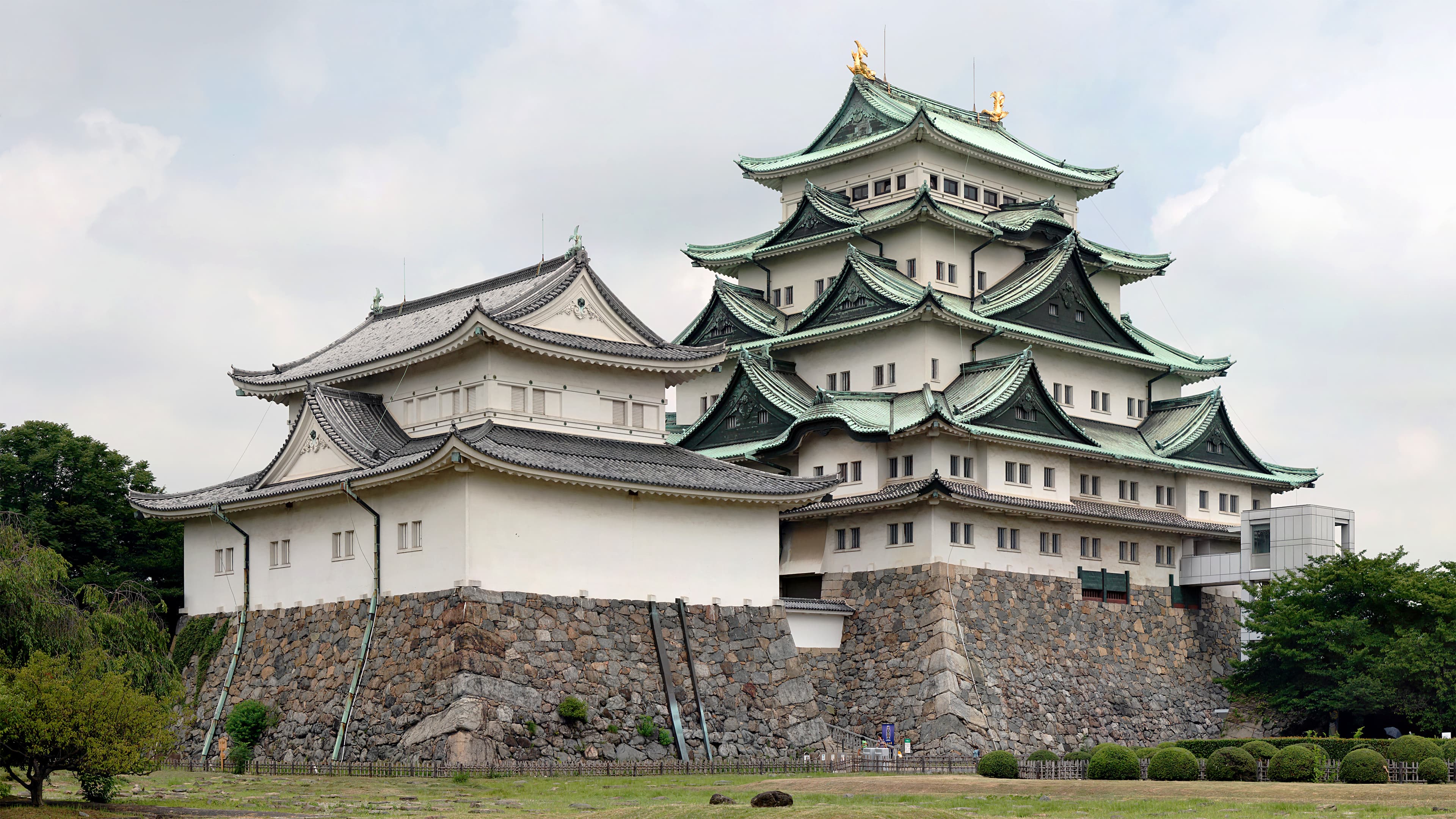
Castle, museums, and Osu district with calm pacing.