Seoul in 3 days
A 3-day Seoul travel guide mixing ancient palaces, modern neighborhoods, and dynamic street food scenes.

Seoul by numbers
The plan for these 3 days in Seoul
| Day | Focus | Morning | Afternoon | Evening |
|---|---|---|---|---|
| 1 | Gyeongbokgung and Bukchon | Gyeongbokgung Palace and changing of the guard | Bukchon Hanok Village and traditional houses | Insadong area and local dinner |
| 2 | Myeongdong and markets | Myeongdong shopping and street food | Namsan Seoul Tower or local market | Street food tour and local dinner |
| 3 | Gangnam or another palace | Gangnam area or Changdeokgung Palace | Local markets and food exploration | Final neighborhood walk and local dinner |
Is this travel guide for you?
Great fit if you want
- A first visit with iconic palaces
- Ancient architecture and modern districts
- Street food and local markets
- Clear, practical planning
- Mix of historic and contemporary culture
Not ideal if you want
- Day trips far outside Seoul
- Late-night nightlife focus
- A packed palace-only schedule
- Extensive shopping time
- Beach or coastal activities
Day-by-day breakdown

Gyeongbokgung and Bukchon
Grand palace, traditional village, and historic district.
How to enjoy Seoul in 3 days
Seoul rewards a calm, layered pace. Anchor each day with one main area—a palace district, or a modern neighborhood—then leave room for markets, food stops, and slow walks through historic and modern districts.
Group time by area to keep transit manageable. Pair Gyeongbokgung Palace with Bukchon Hanok Village for classic sights, then explore Myeongdong or Gangnam for a different rhythm.
Save time for street food and quiet moments in palaces. The city's mix of ancient architecture and modern culture creates a relaxed, dynamic atmosphere.
Logistics & practical tips for Seoul
| Best time | April to June or September to November |
|---|---|
| Airport transfer | AREX train or airport bus to city center |
| Transit tips | Use T-money card for subway and buses; walk palace areas |
| Ticketing | Buy palace tickets on-site; book tours in advance if desired |
| Neighborhood stay | Myeongdong or Gangnam for easy access |
Good to know before you go
| Crowd timing | Start by 8:30–9:00 for headline sights |
|---|---|
| Seasonal notes | Plan shade or indoor stops on hot afternoons |
| Museum booking advice | Reserve timed slots 1–2 weeks ahead in peak season |
| Common mistakes | Overbooking too many sights in one day |
| Dress code | Bring a light layer for church and basilica entry |
Checklist before you go to Seoul
Tap items as you prepare. No sign-in needed.
Frequently asked questions
Is 3 days enough for Seoul?
Do I need to book palace visits in advance?
Is Seoul walkable?
Where should I stay?
What time should I start each day?
Do I need to book restaurants in advance?
Is Seoul good for palace architecture?
Build this trip in Kruno
Start planningTurn this travel guide into a personalized plan with dates and preferences.
Need a different pace?

A 3-day Tokyo travel guide balancing traditional temples, modern districts, and exceptional food culture.

A 3-day Bangkok travel guide featuring golden temples, floating markets, and vibrant street food.

A 3-day Hong Kong travel guide with skyline views, traditional markets, and easy island escapes.
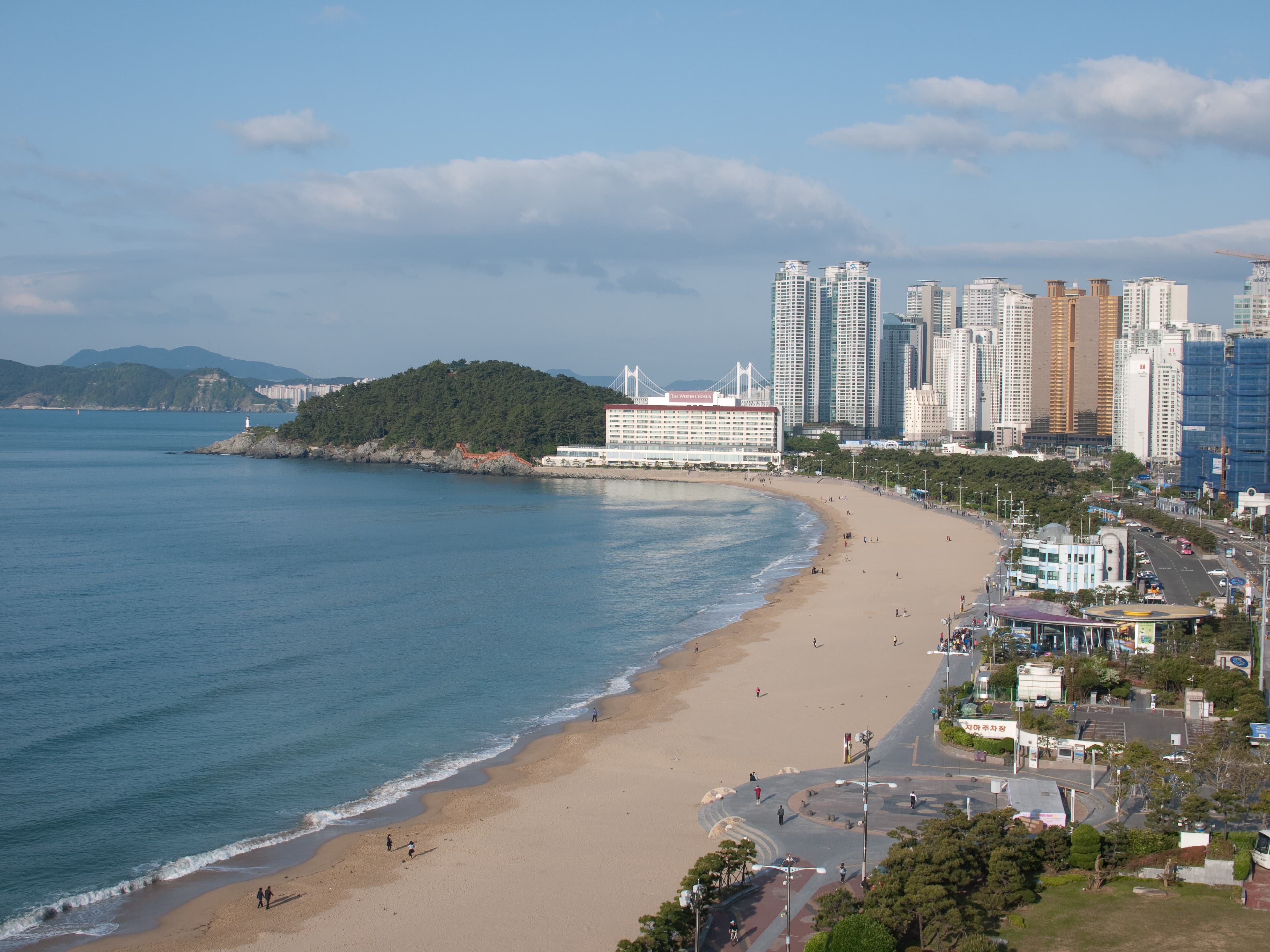
Beaches, Gamcheon Village, and Jagalchi Market at a relaxed pace.

Chinatown, waterfront parks, and easy airport access with room to breathe.

See the essentials with short walks between sights, mixing museums with relaxed neighborhood time.