Chiang Mai in 3 days
Explore temples, old city walls, and Doi Suthep with time for food markets and relaxed neighborhood walks.

Chiang Mai by numbers
The plan for these 3 days in Chiang Mai
| Day | Focus | Morning | Afternoon | Evening |
|---|---|---|---|---|
| 1 | Old city temples | Wat Phra Singh and old city temples | Old city walls and gates exploration | Sunday Walking Street or night market |
| 2 | Doi Suthep and mountain | Doi Suthep Temple and golden pagoda | Mountain viewpoints and Doi Pui | Return to city and local dinner |
| 3 | Markets and modern Chiang Mai | Warorot Market or local food market | Nimmanhaemin Road or old city cafes | Final temple visit or relaxed dining |
Is this travel guide for you?
Great fit if you want
- A first visit with temple architecture
- Mountain viewpoints and city views
- Food markets and northern Thai cuisine
- Walkable old city exploration
- Cultural and spiritual sites
Not ideal if you want
- Beach or coastal activities
- Late-night nightlife focus
- Day trips far outside the city
- Extensive shopping malls
- Adventure sports or extreme activities
Day-by-day breakdown
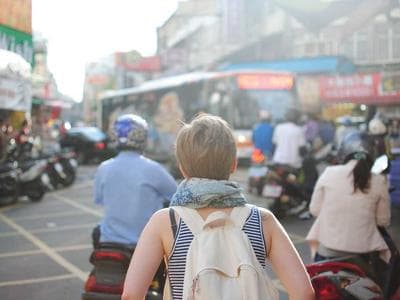
Old city temples
Historic temples, old city walls, and traditional architecture.
How to enjoy Chiang Mai in 3 days
Chiang Mai rewards a calm, cultural pace. Anchor each day with temple visits or a mountain viewpoint, then leave room for food markets, old city walks, and relaxed cafe time.
Group time by area to keep movement manageable. Focus on the old city for temples and walls, then dedicate a day to Doi Suthep for mountain views and a different perspective.
Save time for food markets and local dining. Chiang Mai's food scene is exceptional, and the markets offer authentic northern Thai cuisine alongside the cultural sites.
Logistics & practical tips for Chiang Mai
| Best time | November to February |
|---|---|
| Airport transfer | Taxi or songthaew from Chiang Mai Airport |
| Transit tips | Walkable old city; tuk-tuks and songthaews for longer distances |
| Ticketing | Most temples free; Doi Suthep requires entrance fee |
| Neighborhood stay | Old city or Nimmanhaemin area |
Good to know before you go
| Crowd timing | Start by 8:30–9:00 for headline sights |
|---|---|
| Seasonal notes | Plan shade or indoor stops on hot afternoons |
| Museum booking advice | Reserve timed slots 1–2 weeks ahead in peak season |
| Common mistakes | Overbooking too many sights in one day |
| Dress code | Bring a light layer for church and basilica entry |
Checklist before you go to Chiang Mai
Tap items as you prepare. No sign-in needed.
Frequently asked questions
Is 3 days enough for Chiang Mai?
Do I need to book anything in advance?
Is Chiang Mai walkable?
What about the weather?
Where should I stay?
Should I buy skip-the-line tickets?
Do I need a transit pass?
Build this trip in Kruno
Start planningTurn this travel guide into a personalized plan with dates and preferences.
Need a different pace?

A 3-day Bangkok travel guide featuring golden temples, floating markets, and vibrant street food.

Discover the Old Quarter, lake walks, and historic temples with a calm, food-first approach.

Balance skyline views, cultural quarters, and night markets with a calm, food-first approach.
Experience beaches, old town charm, and coastal viewpoints with time for food and relaxation.

See the essentials with short walks between sights, mixing museums with relaxed neighborhood time.

Hit the essentials with room to breathe, focusing on ancient icons, piazzas, and easy food stops.