Rome in 3 days
Hit the essentials with room to breathe, focusing on ancient icons, piazzas, and easy food stops.

Rome by numbers
The plan for these 3 days in Rome
| Day | Focus | Morning | Afternoon | Evening |
|---|---|---|---|---|
| 1 | Ancient Rome core | Colosseum and Roman Forum | Capitoline Hill and Piazza Venezia | Monti dinner and a walk to the Colosseum |
| 2 | Vatican and river stroll | Vatican Museums and Sistine Chapel | St. Peter's Basilica and Castel Sant'Angelo | Trastevere aperitivo and riverside stroll |
| 3 | Piazzas and food | Trevi Fountain, Spanish Steps, shopping streets | Piazza Navona and Campo de' Fiori | Gelato loop and sunset at Pincio Terrace |
Is this travel guide for you?
Great fit if you want
- A first trip with iconic landmarks
- A mix of history and cafes
- Short walking routes
- Flexible pace with time to relax
- Classic photo opportunities
Not ideal if you want
- A packed schedule of museums only
- Day trips outside the city
- Late-night nightlife focus
- Extremely detailed art tours
- Budget backpacker style
Day-by-day breakdown
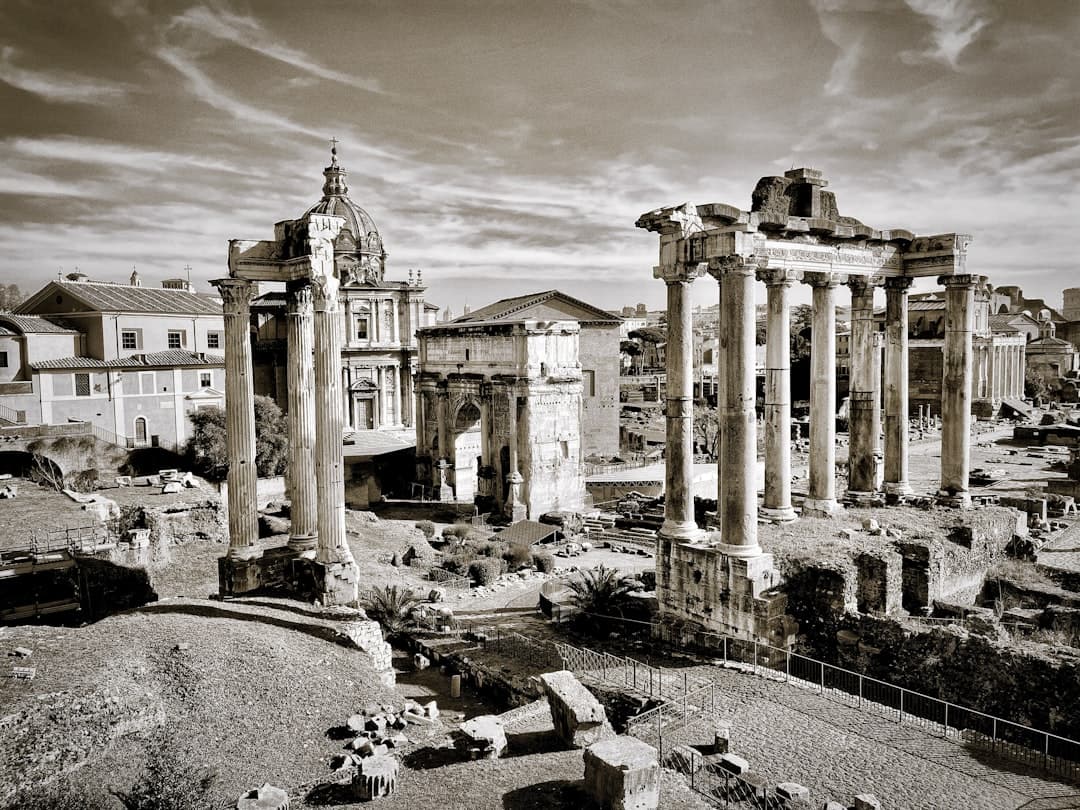
Ancient Rome core
Colosseum, Forum, and sunset viewpoints.
How to enjoy Rome in 3 days
Rome rewards a calm rhythm. Treat each day like a focused chapter: anchor it with one headline sight, then leave room for long lunches, spontaneous piazza stops, and slow walks between landmarks.
Group time by neighborhood to keep travel light. Pair the Centro Storico with nearby Monti for classic sights and evening aperitivo, then dedicate another day to the Vatican and Prati for museums and riverfront strolls.
Save an unhurried afternoon for Trastevere or Testaccio, where the joy is in the smaller streets, local bakeries, and a relaxed dinner that stretches past sunset.
Logistics & practical tips for Rome
| Best time | April to June or September to October |
|---|---|
| Airport transfer | Train to Termini or fixed-rate taxi |
| Transit tips | Walk core sights; use Metro for Vatican |
| Ticketing | Book Colosseum and Vatican in advance |
| Neighborhood stay | Centro Storico or Monti |
Good to know before you go
| Crowd timing | Start by 8:30–9:00 for the Colosseum and Vatican |
|---|---|
| Seasonal notes | Summer afternoons are hot; plan shade or indoor stops |
| Museum booking advice | Reserve timed slots 1–2 weeks ahead in peak season |
| Common mistakes | Overbooking too many sights in one day |
| Dress code | Bring a light layer for church and basilica entry |
Checklist before you go to Rome
Tap items as you prepare. No sign-in needed.
Frequently asked questions
Is 3 days enough for Rome?
Should I buy skip-the-line tickets?
Do I need a transit pass?
Is Rome walkable?
Where should I stay?
What time should I start each day?
Do I need to book restaurants in advance?
Build this trip in Kruno
Start planningTurn this travel guide into a personalized plan with dates and preferences.
Need a different pace?

See the essentials with short walks between sights, mixing museums with relaxed neighborhood time.

Blend Gaudi icons with walkable neighborhoods and a relaxed coastal rhythm.

Cover the essentials with short walks and easy transit, mixing landmarks with relaxed neighborhoods.
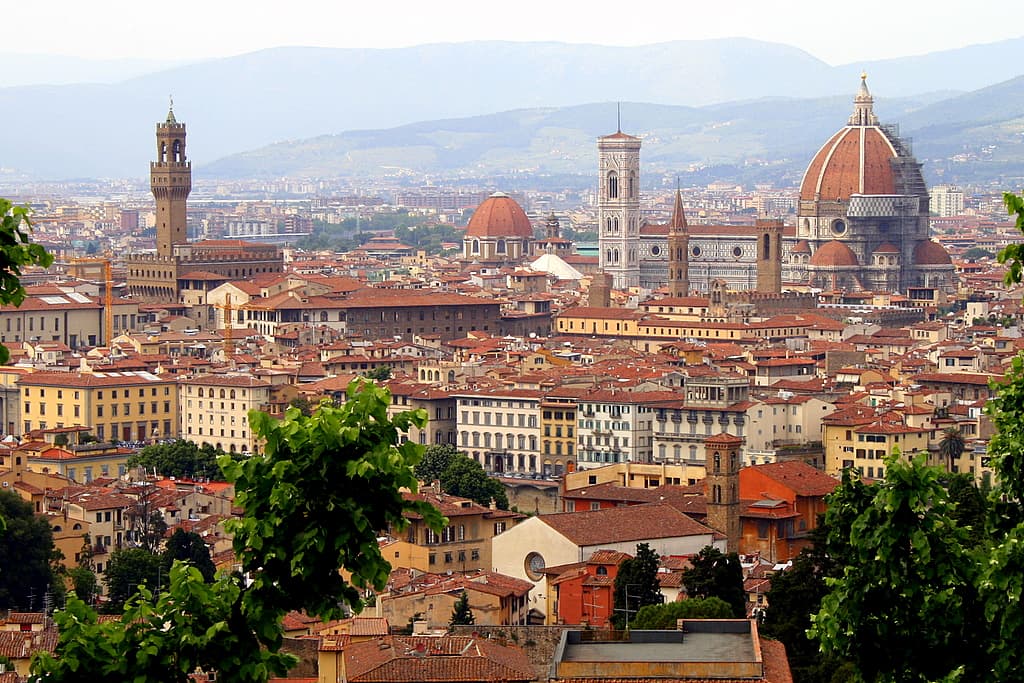
Pair landmark art with river walks, lively squares, and easy afternoons in the hills.
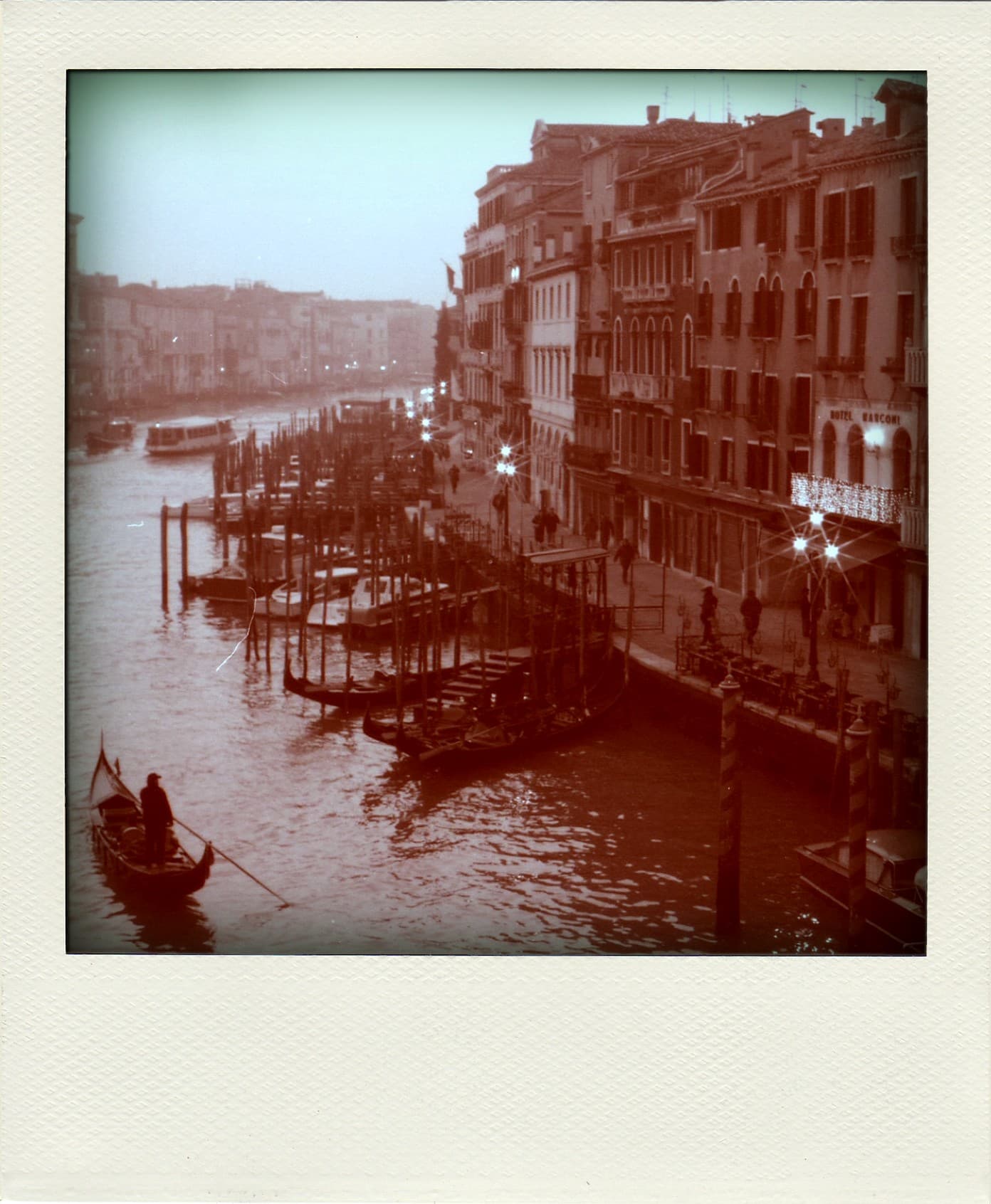
Slow down with canal walks, quiet campos, and easy day trips to nearby islands.
.jpg&w=3840&q=75)
Blend cathedral highlights with design neighborhoods, cafe pauses, and evening aperitivo.